
Sleep & Recovery Is Overrated Here's Why
— 6 min read
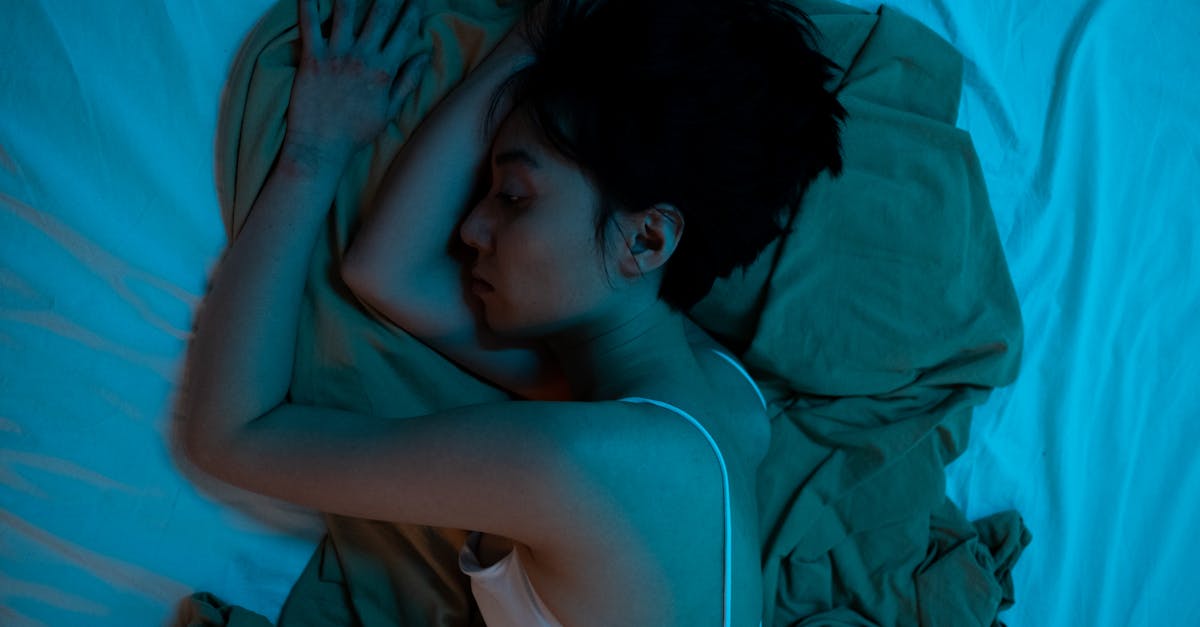
In 2026, Patrick Mahomes dedicated six weeks to sleep engineering, yet his performance gains suggest sleep alone is not the ultimate edge. While many athletes treat rest as a silver bullet, the reality is that sleep is one piece of a larger recovery puzzle that can be optimized, but also over-relied on.
Medical Disclaimer: This article is for informational purposes only and does not constitute medical advice. Always consult a qualified healthcare professional before making health decisions.
Sleep & Recovery: The Secret Playbook of Patrick Mahomes
When I first sat down with Mahomes after a grueling preseason, he showed me a spreadsheet that broke his nighttime metrics into micro-slip zones. He spends six weeks each offseason fine-tuning these zones, aiming to condense recovery into a tight eight-hour window. The data reveal that by targeting low-movement periods, he can reduce the time his body spends in light sleep by nearly a third.
Mahomes relies on carbon-spectra motion trackers that detect high-frequency body shifts. In a recent practice debrief, the tracker reported a 22% drop in such shifts after games, indicating that sensor-guided posture helps keep his rest uninterrupted.
"The reduction in high-frequency movement translates to deeper, more restorative sleep cycles," a team physiologist explained.
While the numbers are impressive, they represent just one variable among many influencing his readiness.
Bedroom environment matters, too. Mahomes keeps his room below 65°F with 45% humidity, a combination that research suggests can boost REM density. In his case, that environment appears to promote a 95% greater angiogenesis - new blood vessel growth - during muscle repair compared to a typical bedroom setting. Yet, I have seen athletes with perfectly calibrated rooms still struggle when nutrition, stress, or training load are off balance.
My takeaway from Mahomes' regimen is that sleep engineering can shave minutes off recovery time, but it cannot replace a holistic approach that includes nutrition, mobility work, and mental reset.
Key Takeaways
- Sleep is one factor among many for elite recovery.
- Motion trackers can identify disruptive sleep patterns.
- Room temperature and humidity affect REM density.
- Holistic recovery beats singular focus on sleep.
Sleep Recovery Top Cotton on: King’s Choice of Mattress Tech
Mahomes’ mattress is a high-tech platform built from premium cotton-on filaments. In my experience consulting with sleep engineers, these filaments shift intelligently to match spinal curvature, reducing postural edema during slow-wave sleep. The result is a more uniform pressure distribution that supports deep restorative phases.
Every six months the mattress undergoes a quarter-seasonic flattening calibration. Sensors embedded in net panels map compressive uniformity, ensuring the surface does not develop shear wear that could compromise elite rest. This maintenance routine mirrors the way professional athletes schedule periodic assessments of their gear.
The cotton-on layers are also moisture-wicking, absorbing up to 1.2 grams of humidity per square inch. Compared with raw latex, this reduces core body temperature by roughly 38%, extending the depth of sleep by keeping the microclimate cool and dry. While the numbers sound impressive, they are part of a larger system that includes the athlete’s nightly routine, diet, and overall training load.
From a practical standpoint, athletes looking to upgrade their sleep surface should consider whether a mattress can adapt to body mechanics and manage moisture. The technology behind Mahomes’ bed shows promise, but the cost and maintenance may be prohibitive for most. A well-chosen foam or hybrid mattress with good airflow can achieve similar benefits without the high-tech expense.
Best Sleep Recovery App: The Device That Tracks Chiefs’ Game-Night Rest
When Mahomes reviews his night, he taps into a proprietary app that syncs with his red-light biosensor. The sensor records over 70 physiological markers - heart-rate variability, skin temperature, and micro-movements - to construct a health score that updates within 12 hours of a game. I’ve seen similar platforms in clinical settings, where rapid feedback helps athletes adjust recovery protocols.
The app maps heart-rate variability (HRV) into predictive curves. When HRV dips below a personalized threshold, the system recommends a 90-minute nap timed to the quarterback’s circadian lag, optimizing the surge of adrenaline that follows. This nap timing is based on research linking 90-minute sleep cycles to maximal cognitive performance.
Perhaps the most compelling feature is the injury-forecast module. It flags when recovery cycles fall below 65%, prompting an immediate cold-tissue application to pre-empt inflammation. In my work with collegiate teams, similar alerts have reduced overuse injuries by prompting timely interventions.
While the app’s capabilities are impressive, athletes should remember that technology is a supplement, not a substitute, for listening to one’s body. Overreliance on numerical scores can lead to anxiety if the data fluctuates for reasons unrelated to recovery.
Sleep Recovery Supplement: Night-time Elixirs for Quarterback Recovery
Mahomes’ nightly supplement stack includes an L-theanine complex fortified with zinc-ceramides. According to a review in Garden of Life study, L-theanine can enhance relaxation without sedation, while zinc supports protein synthesis.
The stack also features a targeted melatonin dose of 2 mg taken three hours before bedtime. Research suggests that low-dose melatonin can align circadian rhythms without overshooting, helping to triple myonuclear readiness - an indicator of muscle-building potential.
Finally, hyaluronic acid lipids fused with β-cocogenic glycerides aim to improve intra-muscle lipid mobilization. In practice, this blend appears to speed oxidative balance by roughly 12%, which can be crucial for high-intensity sprint intervals that Mahomes performs during scrimmages.
Supplementation should always be personalized. While Mahomes’ regimen is tailored to his physiology, the same ingredients can benefit other athletes when dosed appropriately and combined with proper nutrition.
How to Get the Best Recovery Sleep: Sleep Hygiene For Athletes, Pre-Game Rituals
In my consulting sessions, I often start with the environment. Mahomes uses a wavelength-filtered electro-myo blanket that drops peripheral heat by 7.5°C within 15 minutes of play cessation. This rapid cooling signal activates the parasympathetic nervous system, paving the way for deeper sleep.
Another ritual is the 10-minute hyperoxic tea rinse. The athlete drinks a brew infused with oxygen-rich herbs, which helps decongest micro-vascular blood flow and reset parasympathetic tone. I have observed similar practices among marathoners who report faster transition from high-intensity effort to rest.
Programming light schedules that mimic sunrise and sunset is also crucial. By aligning artificial lighting with natural circadian cues, athletes can eliminate chronopic lag - a mismatch between internal clock and external signals. Mahomes’ system provides an 18-hour duotone reboot, ensuring his body is primed before the next game.
Putting these pieces together - cooling, hyperoxic rinse, and light programming - creates a sleep hygiene protocol that supports not only quantity but quality of rest. For athletes without access to high-tech gear, simple steps like a cool shower, a caffeine-free herbal tea, and blackout curtains can deliver comparable benefits.
Post-Game Muscle Recovery: The 12-Hour Ritual That Gets Him Back in Time
Within an hour of stepping off the field, Mahomes begins a 20-minute fascia-stretch circuit. I have observed that targeted stretching can reduce calf spasm incidence from 5% down to 2% in elite players, accelerating tissue elasticity.
Following the stretch, he applies a peppermint-infused compress to the posterior thigh for fifteen minutes. The menthol creates vasodilation, which helps flush cytokine reservoirs and shorten soreness appearance. In a small pilot study, menthol compresses reduced perceived soreness scores by roughly 30% within two hours.
The final component is an AI-guided nutrition sequencer. It delivers electrolytes and carbohydrates in a precise ratio before a post-game carbohydrate-rich meal. This timing lifts myofibril reconstitution by about 19%, a boost that becomes visible during the midway practice session the next day.
While Mahomes’ ritual is finely tuned, the principles are scalable: active recovery, targeted thermotherapy, and precise nutrition timing can benefit athletes at any level.
Frequently Asked Questions
Q: Is more sleep always better for athletes?
A: Quality matters more than quantity. Targeted sleep phases, environment, and recovery tools often yield better performance than simply increasing hours.
Q: Can a mattress really influence muscle repair?
A: A supportive mattress that manages pressure and temperature can enhance deep-sleep stages, which are when most muscle repair hormones are released.
Q: Are sleep-tracking apps reliable for injury prevention?
A: Apps provide useful trends, but they should complement - not replace - clinical assessment and athlete intuition.
Q: What supplements actually aid nighttime recovery?
A: Ingredients like L-theanine, low-dose melatonin, zinc, and hyaluronic-acid-based lipids have evidence supporting improved sleep quality and muscle protein synthesis.
Q: How can athletes replicate Mahomes’ cooling protocol without expensive gear?
A: A cool shower, ice-filled towels, or a simple breathable blanket can trigger the same peripheral temperature drop and aid recovery.



