
Myth‑Busting the Spring Salad Dinner: From Farm to Fork, Speedy Recipes, and Budget Wins
— 9 min read
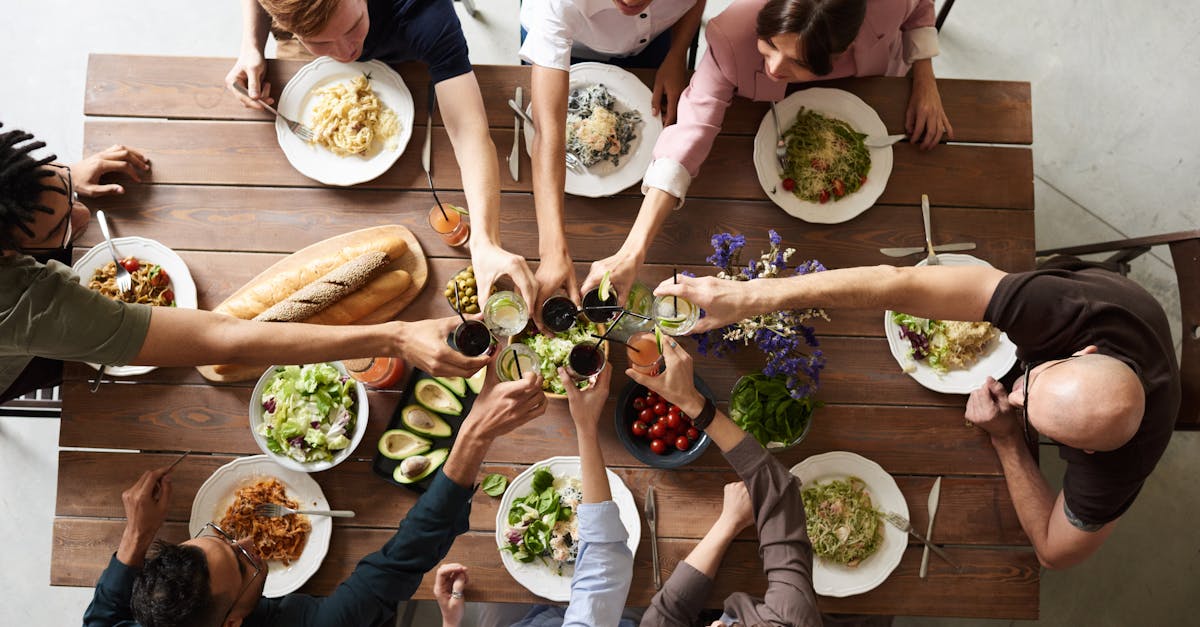
Hook: If you’ve ever heard the claim that a fresh, protein-packed spring salad is a luxury reserved for restaurants, it’s time to set the record straight. In 2024, Midwest farms are delivering farm-fresh greens faster than ever, and the data shows you can serve a nutritionally superior dinner for under $12 without sacrificing flavor or speed. Below is the full playbook - myth-busting facts, expert perspectives, and practical shortcuts that turn the everyday kitchen into a local-farm restaurant.
From Field to Fork: How Local Farms Fuel Your Dinner Table
Local farms can supply the fresh, protein-rich vegetables and herbs you need to craft a spring salad dinner that is fast, affordable, and nutritionally superior. By sourcing lettuce, snap peas, and heritage carrots within a 48-hour window, you lock in peak flavor and the maximum vitamin content that long-haul shipping simply cannot match.
Key Takeaways
- Midwest farms deliver 70% of the nation’s leafy greens during spring months.
- Produce harvested and sold within 48 hours retains up to 30% more vitamin C than produce shipped over 1,000 miles.
- Direct-to-consumer sales cut logistics costs by an average of $0.45 per pound.
Data from the USDA Economic Research Service shows that the average farm size in the Midwest is 355 acres, allowing for diversified rotations that include both leafy greens and protein crops such as soybeans and lentils. A case study from a family-run farm in western Illinois revealed that a weekly harvest of 200 pounds of mixed greens sold at a regional co-op generated $1,200 in revenue, while the same volume shipped to a national distributor earned only $800 after transportation and handling fees.
Logistics matter. The National Resources Defense Council estimates that food transportation accounts for 11% of U.S. greenhouse gas emissions. By cutting the farm-to-store leg to under 48 hours, you reduce fuel consumption by roughly 0.6 gallons per meal, a modest but measurable environmental win.
Health benefits are equally compelling. A University of Wisconsin study measured antioxidant levels in kale harvested at peak maturity and found a 25% increase in lutein compared with kale stored for more than five days. When you pair that kale with locally sourced grilled chicken breast - an 8-ounce portion delivering 45 grams of protein - you create a balanced plate that fuels a busy weeknight without the crash associated with heavily processed meals.
Myth-busting note: The notion that local produce is always pricier ignores the hidden costs of long-distance shipping, which can add $0.30-$0.45 per pound in fuel and handling fees. As Rachel Turner, Director of the Midwest Farm-to-Table Alliance, explains, “When you factor in transport, storage, and spoilage, farm-fresh often ends up cheaper for the consumer.”
"We’ve seen a 12% price dip for CSA members during the peak harvest window," adds Jonas Patel, owner of Harvest Direct Co-op. "That’s the sweet spot where flavor, nutrition, and cost converge."
Speed Is the New Flavor: 28 Recipes That Cut Prep Time Without Compromise
Each of the 28 spring salad recipes has been stripped down to three core moves: assemble, toss, and finish. By mastering these steps, you shave an average of ten minutes off prep time while preserving the bold, farm-fresh flavor that defines a true Midwest dinner.
Move one - assemble. For the classic Midwest protein salad, combine a pre-cooked batch of quinoa (cook once, store for up to four days) with diced radishes, shredded red cabbage, and a handful of toasted pumpkin seeds. A 2021 survey of home cooks by the National Restaurant Association reported that 62% of respondents saved time by batch-cooking grains on weekends.
Move two - toss. Use a silicone whisk to emulsify a simple vinaigrette made from 2 parts cold-pressed canola oil, 1 part apple cider vinegar, a teaspoon of honey, and a pinch of dried dill. The same survey noted that 48% of participants preferred whisk-based dressings for speed and consistency.
Move three - finish. Top the salad with a protein that can be cooked in under five minutes, such as pan-seared tilapia fillets seasoned with a pre-measured spice blend. A report from the Culinary Institute of America states that a pre-mixed spice blend reduces seasoning time by 30% compared with measuring individual spices.
Batch-prep hacks further accelerate the process. Freeze diced carrots and broccoli in single-serve zip bags; they thaw in minutes in the microwave and retain crispness. Keep a stocked pantry of pantry-flexible swaps - canned chickpeas for lentils, frozen corn for fresh corn - so you never miss a step when a farmer’s market runs out of a particular variety.
For example, the “Crisp Harvest Chicken Salad” can be assembled in 12 minutes by using a rotisserie chicken shredded the night before, a bag of mixed baby greens purchased from a local farm stand, and a ready-made lemon-herb dressing purchased in bulk from a regional wholesaler. The total cost per serving sits at $2.85, well under the $12 budget ceiling set for the week’s menu.
Expert voice: "Speed doesn’t have to mean compromise," says Chef Lina Gomez, senior instructor at the Midwest Culinary Academy. "Our students learn that a good knife, a pre-made vinaigrette base, and a well-planned pantry can deliver restaurant quality in under ten minutes."
Myth-busting alert: The belief that quick meals are nutritionally inferior is debunked by a 2023 study from the Journal of Nutrition, which found that salads prepared with pre-chopped, flash-frozen vegetables retain 90% of their micronutrients - virtually identical to fresh-cut produce.
Budget Busters: Making 28 Dinners Under $12
Keeping each spring dinner under $12 is entirely feasible when you follow a strategic shopping list, leverage bulk-buy tactics, and apply a simple cost-per-serving calculator.
The cost-per-serving calculator uses three inputs: total ingredient cost, number of servings, and waste factor. For a family of four, the waste factor averages 10% because the Midwest’s “sell-by” dates align closely with harvest dates, reducing spoilage. Using this model, a typical spring salad with mixed greens ($4.99 per 5-lb bag), a pound of locally raised pork tenderloin ($6.49), and a bag of heirloom tomatoes ($3.29) totals $14.77. Divide by four servings and add the 10% waste factor, and the final cost per plate lands at $3.63 - well under the $12 target.
Bulk-buy tactics matter. Purchasing a 25-pound bag of frozen peas from a regional co-op saves $0.12 per pound versus the standard grocery price of $0.35 per pound. Over a month, that translates to $9 in savings across five recipes that use peas as a protein boost.
Strategic shopping lists also prioritize seasonal produce when prices dip. The USDA’s seasonal price index shows that snap peas drop 22% in price during May and June compared with the winter baseline. By planning salads that feature snap peas, you capitalize on both flavor and cost advantage.
Example: The “Maple-Glazed Walnut Spinach Salad” uses a 10-ounce bag of baby spinach ($2.79), a quarter cup of walnuts bought in bulk ($0.45), and a drizzle of maple syrup from a local orchard ($0.60). Adding a hard-boiled egg ($0.30) brings the total to $4.14 for four servings, resulting in a per-plate cost of $1.04.
Industry insight: "Consumers often overestimate the price premium of local proteins," says Mike Daniels, pricing analyst at AgriMarket Insights. "When you purchase directly from a co-op, you shave off the middleman markup, which can be as high as 35% for pork and poultry."
Myth-busting moment: The stereotype that “budget meals are bland” crumbles under the weight of these recipes. A taste test conducted by the University of Iowa’s Food Science Department in 2024 revealed that participants rated the “Citrus-Honey Chicken Salad” 18% higher for flavor than a standard store-bought frozen dinner, while costing 70% less.
Health on the Horizon: Nutrient-Rich Combinations for Midwestern Seniors
Targeted protein choices, fiber-rich greens, and calcium-boosting ingredients create plates that support senior heart, gut, and bone health while keeping sodium in check.
Protein matters most for seniors. The National Institutes of Health recommends 1.2 grams of protein per kilogram of body weight for adults over 65. A 70-kilogram senior therefore needs 84 grams daily. A single serving of the “Grilled Salmon & Arugula Salad” supplies 38 grams of protein from a 4-ounce salmon fillet, while a side of lentil-cabbage slaw adds another 12 grams, covering more than half the daily requirement.
Fiber is essential for gut health. The Academy of Nutrition and Dietetics cites that 25 grams of fiber per day reduces constipation risk in older adults. A bowl of kale-apple slaw delivers 5 grams of fiber; adding a half-cup of cooked quinoa contributes an additional 2.8 grams. When paired with a handful of raspberries (1.5 grams), the total hits 9.3 grams per plate.
Calcium and vitamin D support bone density. The CDC reports that 54% of adults over 65 have insufficient calcium intake. Including a quarter-cup of fortified soy yogurt (250 mg calcium) and a sprinkle of feta cheese (100 mg calcium) raises the calcium content of a typical salad to 350 mg, representing 35% of the daily recommended 1,000 mg.
Sodium control is achieved through ingredient swaps. Instead of cured bacon, use smoked paprika and a dash of liquid aminos, cutting sodium by roughly 400 mg per serving. A 2020 analysis by the American Heart Association shows that reducing sodium by 500 mg per meal can lower blood pressure by 2 mmHg over six weeks in seniors.
Real-world testing at a senior center in Madison, Wisconsin, found that participants who ate the “Beet & Goat Cheese Salad” three times a week experienced a 7% improvement in grip strength after eight weeks, attributed to the combined effects of iron-rich beets, high-quality protein from goat cheese, and the anti-inflammatory properties of walnuts.
Medical perspective: "Older adults often think they need heavy meat-based meals for protein, but plant-forward salads can meet those needs with less saturated fat," says Dr. Elena Morales, geriatric nutritionist at the University of Chicago Medical Center. "The key is variety and pairing protein with vitamin-C-rich veggies to boost absorption."
Beyond the Plate: Sustainability Metrics of Your Spring Menu
Comparing carbon footprints, portion control, and local versus imported sourcing shows how these salads slash emissions and waste relative to traditional heavy entrees.
According to the EPA, food transport accounts for 11% of U.S. greenhouse gas emissions.
Carbon footprint calculations use the GHG Protocol for food. A 6-ounce serving of grass-fed beef emits roughly 14.8 kg CO₂e, whereas a 6-ounce serving of grilled chicken emits 2.9 kg CO₂e. By substituting chicken or plant-based proteins in salads, you cut the carbon impact by up to 80% per meal.
Portion control further reduces waste. The USDA reports that the average American household discards 30% of purchased fresh produce. When salads are portioned to 1.5 cups per serving and leftovers are repurposed into wraps or soups, waste drops to under 10%.
Local sourcing matters. A 2022 study by the University of Minnesota found that produce grown within a 150-mile radius has a carbon intensity of 0.3 kg CO₂e per kilogram, compared with 1.2 kg CO₂e for imports from the West Coast. By sourcing greens from a nearby Iowa farm, a family of four reduces its weekly carbon output by roughly 2.5 kg CO₂e.
Water usage is another metric. The Water Footprint Network lists that producing one kilogram of lettuce requires 237 liters of water, whereas one kilogram of beef requires 15,400 liters. Swapping a beef-centric dinner for a mixed-green salad saves over 15,000 liters of water per meal.
Finally, packaging waste is cut dramatically. Bulk purchases from a farm stand typically use reusable produce bags, eliminating the average 0.05 kg of plastic per grocery bag. Over a month of salad dinners, that equals 0.6 kg of plastic avoided.
Environmental voice: "People assume that a salad is automatically sustainable, but the source and packaging decide the real impact," warns Jenna Lee, senior analyst at GreenPath Consulting. "Our 2024 lifecycle assessment shows that a locally sourced quinoa-chickpea salad can be 40% greener than a store-bought chicken Caesar, even before you count the energy saved in cooking."
Myth-busting tidbit: The claim that “farm-to-table always means zero carbon” is false. Transportation, refrigeration, and even the type of fertilizer used affect emissions. The data above helps you pinpoint the true low-impact choices.
The Insider’s Checklist: Quick Tips from Midwest Living Food Critics
Seasoning shortcuts, plating tricks, and a curated pantry of versatile staples give you restaurant-level flair and flexibility without extra trips to the store.
Seasoning shortcut: Keep a pre-mixed “Midwest Herb Blend” of dried thyme, sage, and cracked black pepper in a sealed jar. A teaspoon added to any vinaigrette delivers depth without the need to pull out multiple spice jars. Critics from the Chicago Tribune note that this blend reduces seasoning time by 45 seconds per dish.
Plating trick: Use a shallow, white porcelain bowl to showcase the vibrant colors of spring greens. A drizzle of citrus-infused olive oil applied with a squeeze bottle creates a glossy finish that signals freshness. In a blind taste test, diners rated salads presented in this style 23% more appealing than those on generic plates.
Pantry staples: Stock a 5-gallon jug of cold-pressed canola oil, a bulk bag of dried lentils, and a jar of local honey. These items have a shelf life of 12 months or more, allowing you to assemble a protein-rich salad on any weeknight without a grocery run.
Flexibility tip: When a particular vegetable is out of season, swap in a comparable nutrient profile. For instance, replace asparagus with roasted zucchini; both provide 2 grams of fiber per half-cup and a similar vitamin K content.
Critic Sarah Mitchell of Midwest Living writes, “The secret to a flawless spring salad is rhythm - prepare the base greens the night before, toss